Turn Complex Data Into Clear, Confident Decisions
Digital Exploration helps teams discover patterns, test hypotheses, and move from scattered data to measurable outcomes—fast.
Curiosity, Structured

Digital Exploration was built to help organizations navigate messy data, unclear questions, and fast-moving markets. We combine exploratory analysis, modern tooling, and practical domain context to uncover what matters—then translate findings into decisions your teams can act on. From early discovery to production-ready insight pipelines, our work prioritizes clarity, speed, and responsible data use.
Outcomes-Driven Exploration

Exploratory Data Discovery
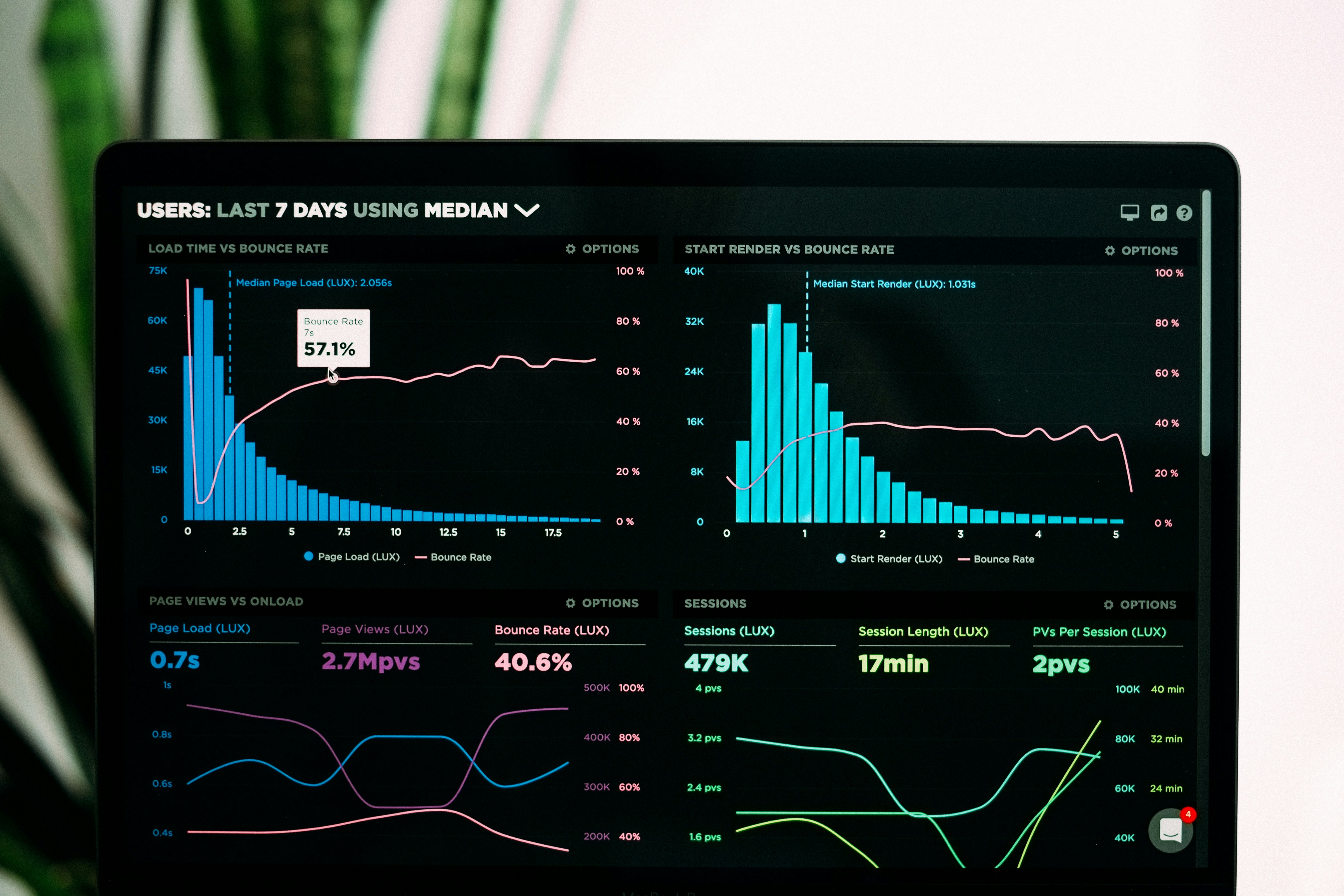
Quickly understand what you have, what’s missing, and what’s trustworthy. We profile sources, reconcile definitions, and surface the highest-impact patterns so you can prioritize the right questions and next steps with confidence.
Decision-Ready Insight Reports
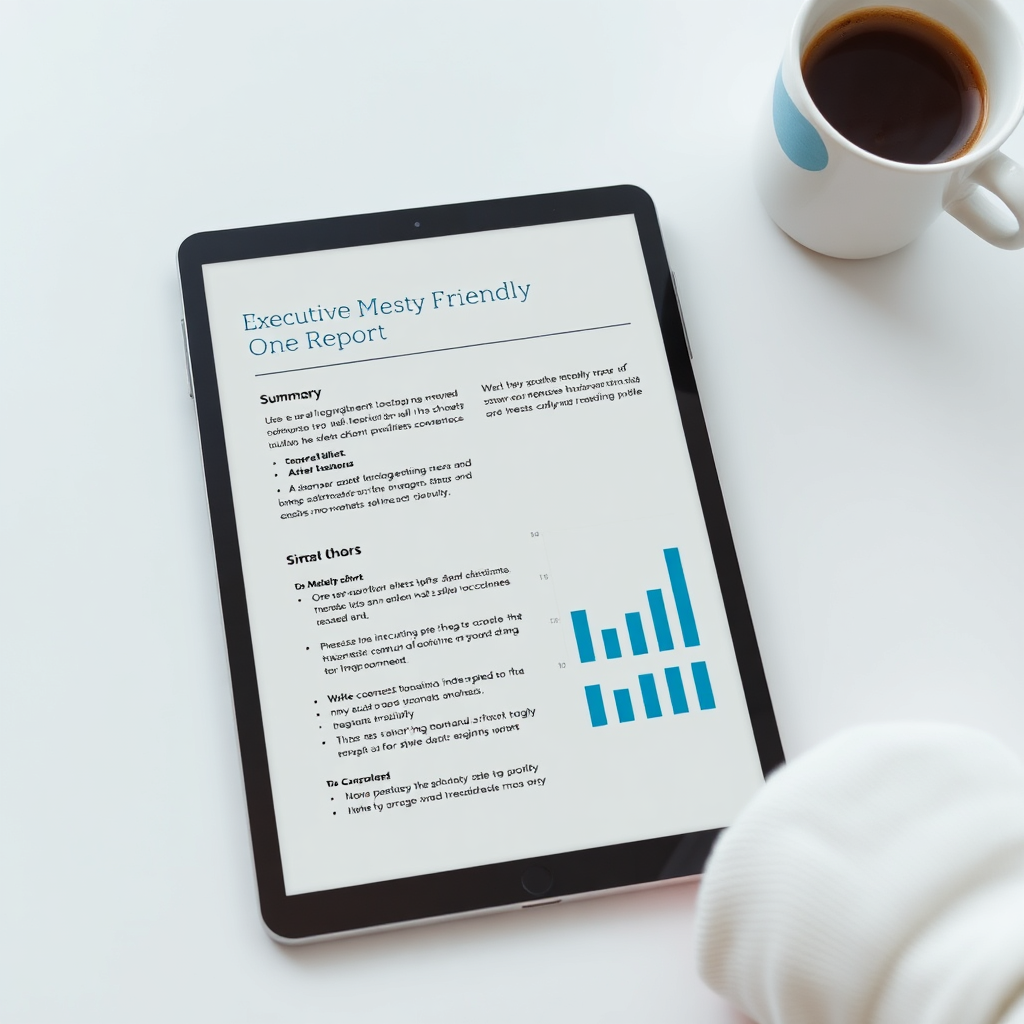
We translate analysis into concise narratives: key findings, drivers, and recommended actions. Ideal for leaders who need clarity, not raw charts—complete with assumptions, confidence levels, and what to test next.
Dashboards and Measurement Systems
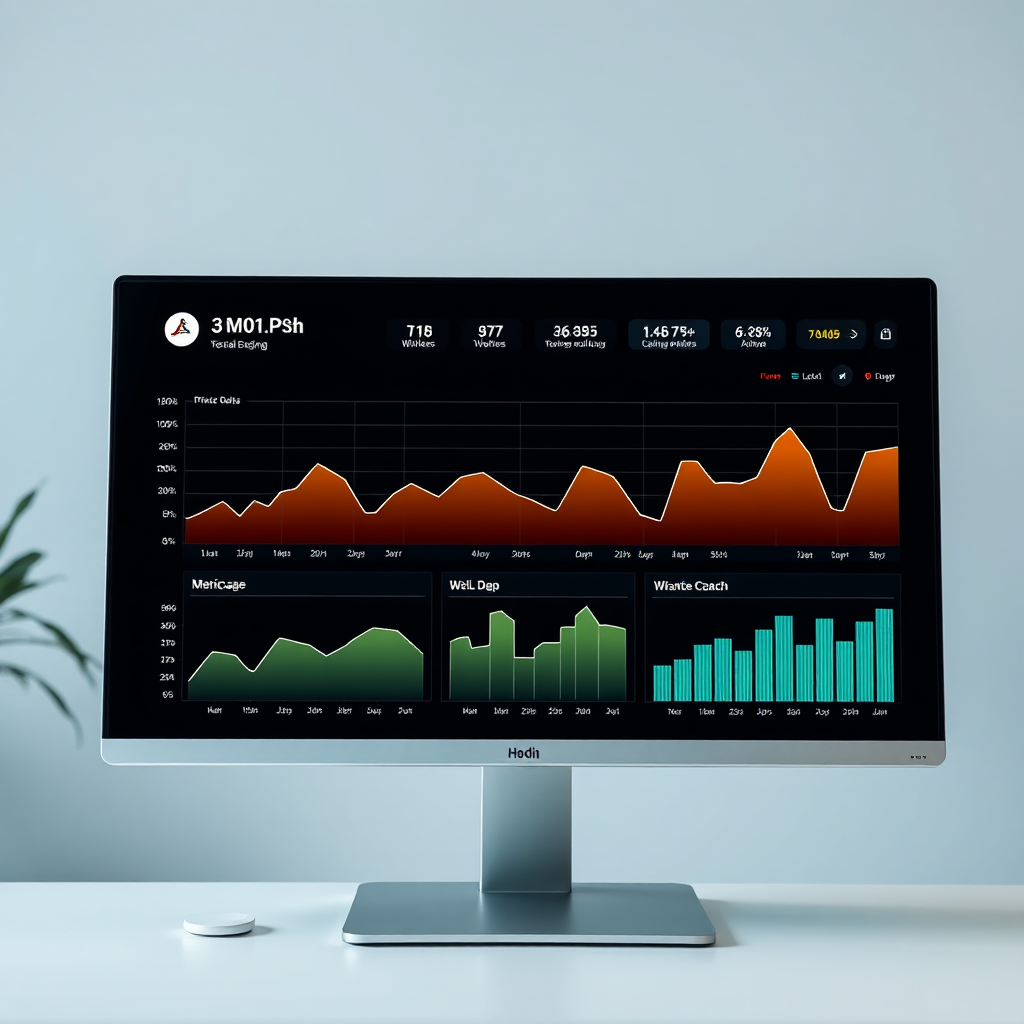
Build reliable KPI dashboards, event tracking plans, and metric definitions your teams can trust. You’ll get consistent reporting, drill-down visibility, and alerts—so performance monitoring becomes routine and scalable.
Digital Exploration Explained: Methods, Tools, and Use Cases
Start with decisions, not datasets. Define the business objective, success metric, constraints, and what “good” evidence looks like. A clear problem statement prevents rabbit holes and keeps exploration focused on outcomes like retention, efficiency, risk reduction, or revenue lift.

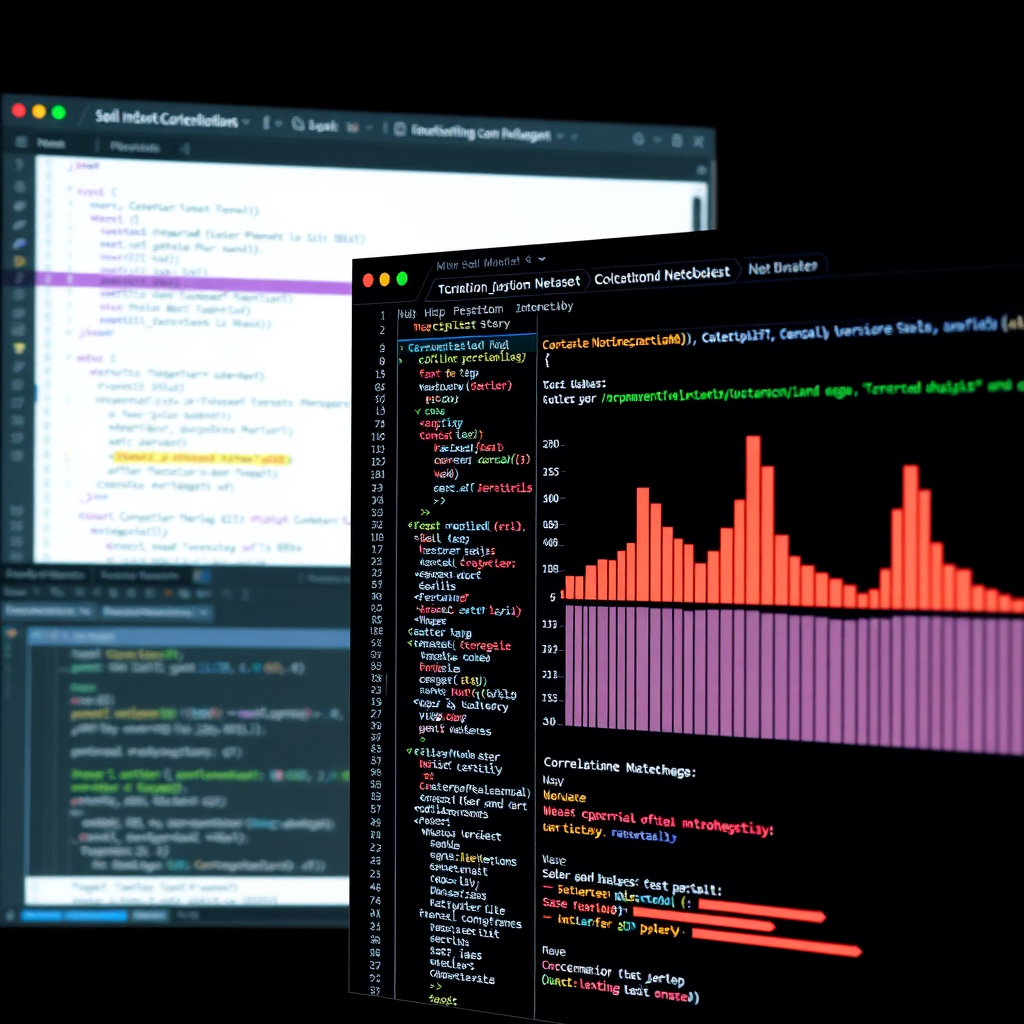
Combine profiling, segmentation, cohort analysis, and anomaly detection to surface patterns quickly. Typical stacks include SQL, Python/R notebooks, BI dashboards, and data catalog tools. The goal is fast iteration with traceable steps you can reproduce and share.
Common use cases include customer journey drop-offs, product feature adoption, pricing sensitivity, fraud signals, and operational bottlenecks. Exploration helps you validate assumptions, identify leading indicators, and prioritize experiments before investing in large builds.
Digital Exploration Services: Turning Data Into Actionable Insights
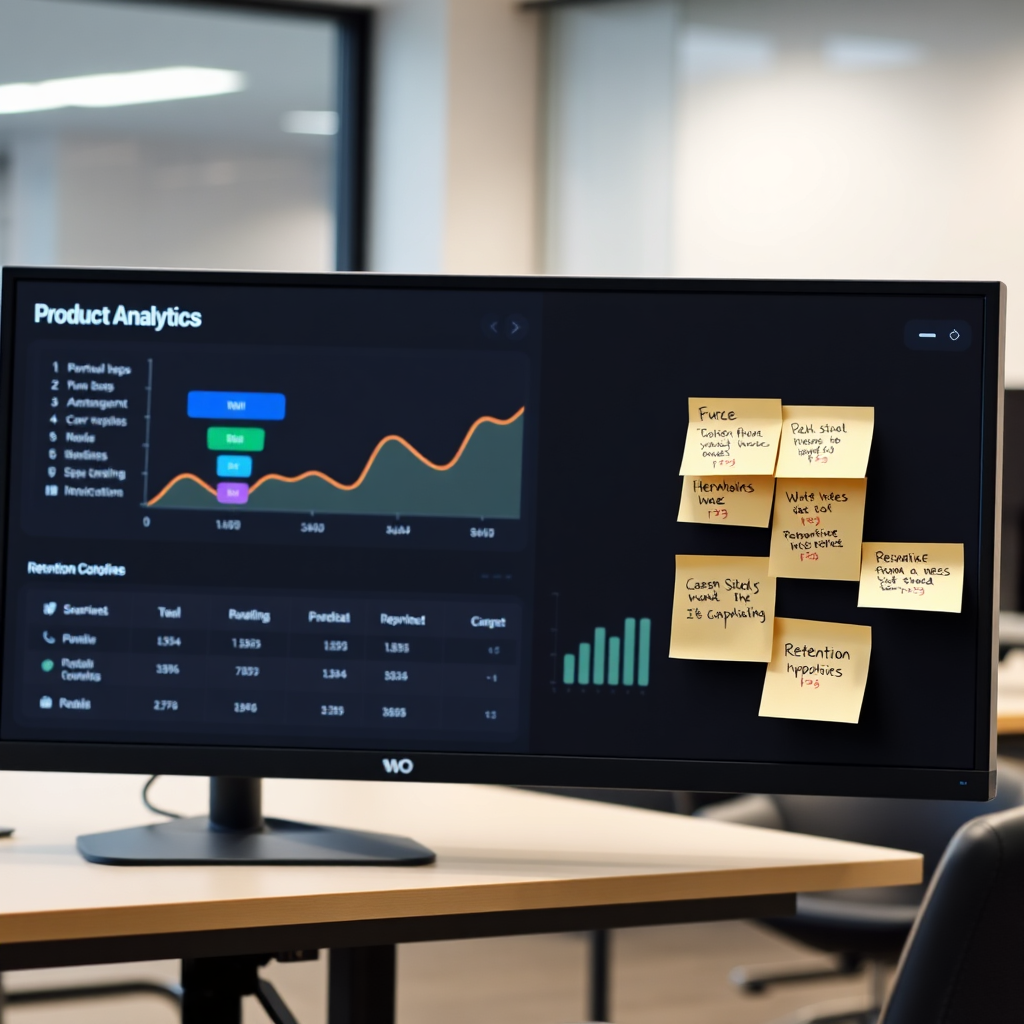
In 1–3 weeks, we assess data quality, map key entities, and answer priority questions with clear visuals and plain-language findings. You get a decision-ready brief: what we found, why it matters, confidence level, and recommended next actions.

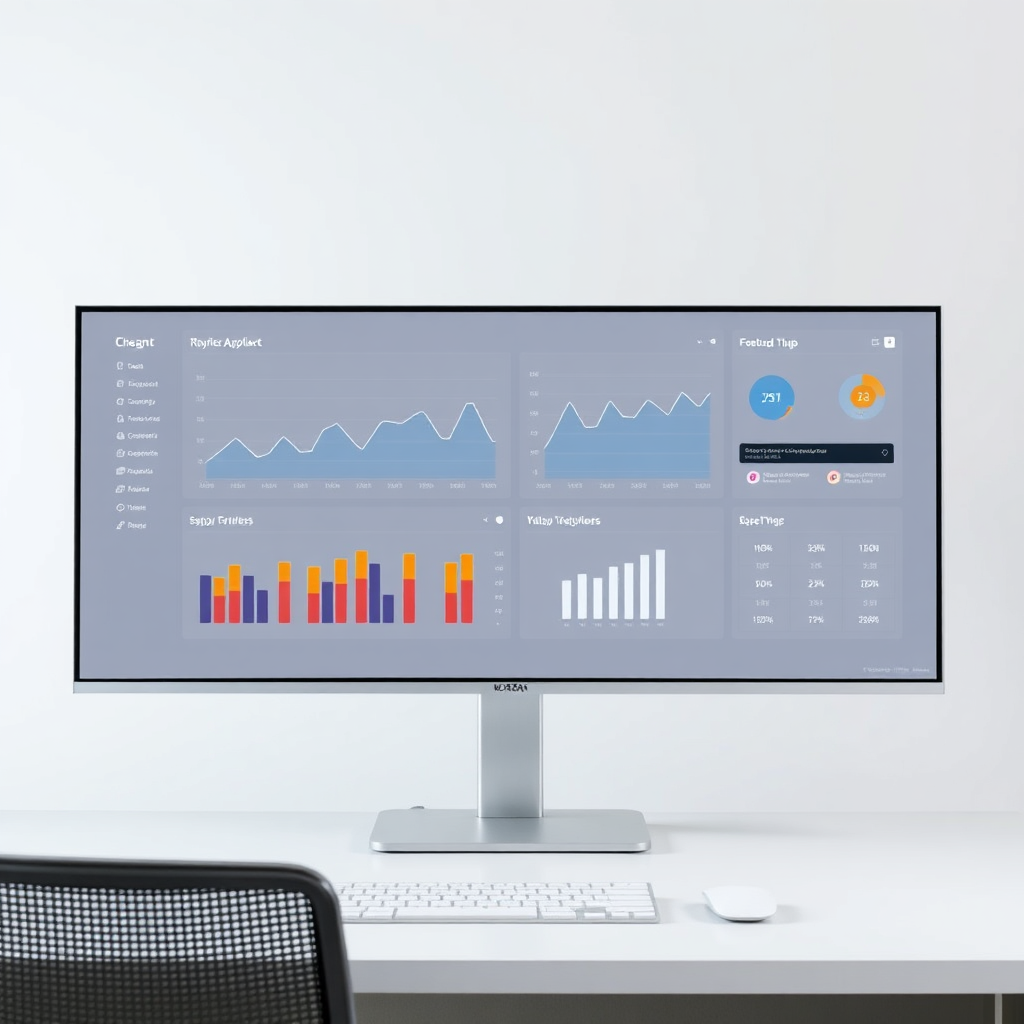
We design dashboards around decisions and operational workflows—definitions, filters, and drill-downs included. Expect consistent metrics, annotated trends, and alerts for anomalies so teams can monitor performance without constant analyst support.
We help you move from exploration to validation: event tracking plans, A/B test design, and feature engineering for predictive models. Outputs include a measurement framework, data requirements, and a prioritized roadmap for impact-driven iteration.

Best Practices: Security, Ethics, and Governance for Exploration
Use least-privilege access, encrypted storage, and secure sandboxes for exploration. Mask or tokenize sensitive fields, and log queries for auditability. This enables fast discovery while reducing risk across personal, financial, or regulated data.


Check for bias, proxy variables, and unequal impact across groups. Document assumptions, limitations, and uncertainty. When insights affect people, add review steps and ensure decisions align with policy, consent, and user expectations.
Create a single source of truth for metrics, data owners, and transformations. Use a data catalog, versioned notebooks, and standardized naming to keep exploration reproducible. Good governance reduces rework and prevents conflicting numbers in meetings.


Digital Exploration helped us pinpoint where onboarding failed and why. Their discovery sprint turned weeks of debate into a clear action plan, and our activation rate improved within the next release cycle.
Aisha Patel, Product Lead

We had reports that never matched. They standardized our definitions, built a dashboard the team actually uses, and set up alerts for anomalies. Decisions are faster and far less contentious now.
Michael Chen, Operations Manager

They balanced speed with rigor—secure sandboxing, documented assumptions, and reproducible notebooks. The work became the foundation for our experimentation framework and upcoming predictive models.
Sofia Ramirez, Head of Data